

Rembrandt Prints
Etchings and Drawings
Biography
Rembrandt Paintings
Self Portraits
Biblical Subjects
Nudes
The Rembrandt House
Rembrandt Prints
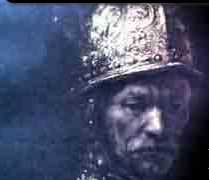
Rembrandt prints have inspired artists and art lovers around the world for generations. Rembrandt was the master of chiaroscuro (light and shadow). His manipulation and experimentation with this techinique helped him to express intense emotion, character and intensity in every one of his great works of art.
Fake Watches – Authentic Quality Replica Watches at Affordable Prices
His profound understanding of human nature matched by his technical brilliance has made a tremendous impact on his peers and continues to influence the style of many artists to this day.
Rembrandt was the greatest painter of the Dutch school and a giant in the history of art.
He is regarded in the same company as other famous artists such as Michelangelo and Raphael.
During his colourful career he created over six hundred and fifty paintings, three hundred etchings and over one thousand five hundred drawings.
Personal Life
While he was a celebrated artist in his time he was no stranger to heartache. Rembrandt and his wife Saskia mourned the loss of each of their three children as they died in infancy. Hope was reborn when their fourth child, a son they named Titus survived.
Rembrandt’s deep understanding of human nature resonated from his own emotional dispair and need for insight into a life plagued with tragedy. He transferred his emotions onto paper as one masterpiece after another was born.
Landscapes
The fantastic imagery and dramatic motifs set Rembrandt landscapes apart from those of the mainstream seventeenth century. His blend of real and imaginary landscapes set the scenery for many of his group portraits, breathing life into what would have otherwise seemed trite.
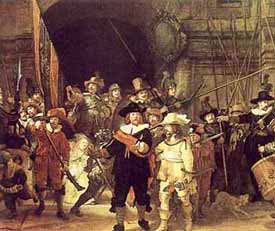
vRembrandt prints of group portraiture became a matter of controversy. The baroque art movement inspired Rembrandt and other artists of this era to experiment with intense light and shadow.
This meant that in each group portrait there would be those who were portrayed in bright light while others were barely seen under heavy shadows. Many of those who were left in the dark became enraged when they saw the final product. It wasn’t long before Rembrandt saw less and less commissions for group portraits.
Self Portraits
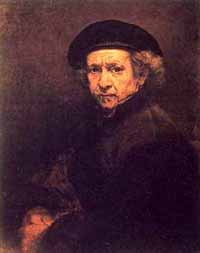
Of all the Rembrandt prints his self portraits are among the most fascinating. Many scholars believed that his obsession with his self portrait was the result of his journey through life. Some of his self portrait sketches were experiments with facial expressions while others were studies of light and shadow.
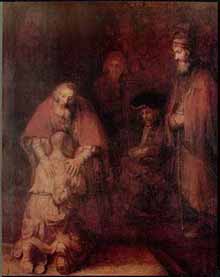
Biblical and religious art accounted for about one third of the total collection of Rembrandt art. His fascination with religious art would inspire him to create many masterpieces including The Return of the Prodigal Son and many others.
Rembrandt prints that portrayed nude subjects were rarely displayed during any of his exhibitions. Art dealers during this time believed that the biblical subjects portrayed in the nude might be offending to the public. Rembrandt’s nude subjects were not intended to be provocative. His portrayal of the human body was just another means to interpret the language of powerful emotion.
{Rembrandt Prints} {Etchings and Drawings} {Biography} {Rembrandt Paintings}
{Self Portraits} {Biblical Subjects} {Nudes} {The Rembrandt House}
ARTICLES
{ Rembrandt’s Religious Art} { Rembrandt Impasto }

Rembrandt prints!